
Tien Len GEMBET creates direct competition as each player attempts to get rid of every card in their hand before the other participants. Continuous blocking can quickly change the situation, making it important to consider when to keep powerful cards, play pairs, or release straights. In the following article, GEMBET explains the basic rules, card rankings, valid combinations, and common special blocking situations.
An overview of the traditional Tien Len GEMBET game
Tien Len GEMBET recreates the traditional Vietnamese card game using a standard 52-card deck. A table usually accommodates between two and four players, with each participant receiving up to 13 cards. The main objective is to play all cards before the opponents by using valid combinations according to the established ranking system.
The pace of each round revolves around playing cards, passing turns, and gaining control of a new sequence. Players need to evaluate their current hand while paying attention to combinations already placed on the table.
Card values increase from 3, 4, 5 through 10, followed by J, Q, K, A, and finally 2. Suits may be used to determine the stronger card when two cards share the same rank, depending on the rules applied at the table.
A turn may involve a single card, pair, three of a kind, straight, or special combination when the required structure is satisfied. The round reaches an important conclusion as soon as one player successfully releases every card in their hand.
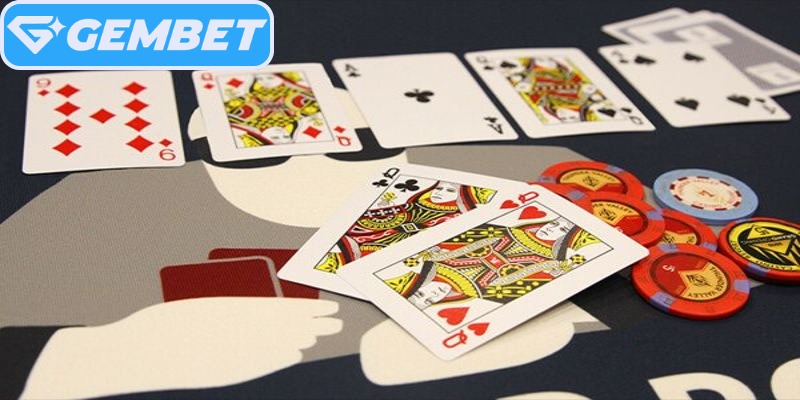
Explore the detailed rules of Tien Len GEMBET
Each round operates according to a turn-based structure. A new combination generally needs to match the type currently on the table while also carrying a higher value, except when special blocking combinations are permitted.
Understand the card ranking order
Card values increase from 3 through A before reaching 2, making the 2 the highest-ranked single card in a standard round.
In Tien Len GEMBET, when two cards have the same numerical or face value, the suit may determine which one ranks higher according to the rules of the selected version. Understanding this hierarchy helps players identify whether a particular card can legally beat the previous play.
Recognizing rankings is especially important near the end of a round. A player holding several strong cards may have more opportunities to regain control, but using them too early can reduce flexibility later.
Build each card combination correctly
A single consists of one card, a pair requires two cards of the same rank, and three of a kind contains three cards sharing the same value. A straight normally consists of at least three consecutive cards that meet the required sequence rules.
The following play must generally match the previous combination and carry a higher value. For example, a pair needs to be beaten by a stronger pair rather than an unrelated single card.
Special combinations provide exceptions under certain rules. Longer straights also require players to maintain the correct sequence without breaking the ranking order. Understanding these structures in Tien Len GEMBET is essential because an invalid combination cannot normally be accepted as a legal play.

Follow the turn or pass your right to play
After the opening move, the next player can place a valid stronger combination or pass if they do not want or cannot compete for control of the current sequence.
Once a participant passes, that position normally waits until a new sequence begins instead of returning to the same ongoing exchange. This creates an important strategic decision because passing may preserve strong cards but also temporarily removes the opportunity to control the table.
The player who makes the final unbeaten move earns the right to open a new sequence. They can then choose an appropriate valid combination from their remaining hand.
Tien Len GEMBET ends when all 13 cards are played
At a full four-player table, each participant begins with 13 cards. The direct objective is therefore to release the entire hand before everyone else.
A winner is determined when the final card or combination is played legally and no cards remain in that player’s hand. Depending on the specific table rules, the remaining participants may continue playing to determine subsequent rankings.
This structure makes card management important throughout Tien Len GEMBET. Holding too many difficult combinations near the end can make it harder to finish, while releasing cards without considering future turns may allow an opponent to gain control.
Special blocking rules in Tien Len GEMBET
Special blocking is a distinctive mechanism that allows certain powerful combinations to beat a 2 or another lower special combination when all required conditions are satisfied.
Three consecutive pairs can block a 2
Three consecutive pairs consist of three pairs with sequential ranks. For example, 5-5, 6-6, and 7-7 form a six-card special combination. In Tien Len GEMBET, this structure may be used to block a single 2 under common Southern Vietnamese rules. When two qualifying combinations compete directly, the one with the higher sequence takes priority according to the applicable rules.
Four of a kind can handle a 2
Four of a kind consists of four cards sharing exactly the same rank. Four 8s, for example, create a powerful special combination that ranks differently from ordinary singles, pairs, or triples. When Tien Len GEMBET follows Southern Vietnamese rules, four of a kind can commonly be used to block a single 2 or challenge certain weaker special combinations.
Four consecutive pairs create powerful blocking options
Four consecutive pairs consist of four sequential pairs, such as 6-6, 7-7, 8-8, and 9-9. This creates an eight-card special combination with considerable blocking strength. Within Tien Len GEMBET, four consecutive pairs may commonly be capable of blocking a single 2, a pair of 2s, four of a kind, or three consecutive pairs under Southern-style rules.
The strength of this combination is generally determined by the highest pair in the sequence. Players should therefore identify the complete structure carefully rather than judging it only by the first pair.

Counter-block with a stronger combination
When one special combination has already been used to block another play, an opponent may still have the opportunity to counter-block if they possess a stronger valid structure.
For example, a higher four of a kind can defeat a lower four of a kind when the applicable rules permit it. Four consecutive pairs can also provide additional possibilities when competing against certain special combinations.
Conclusion
Tien Len GEMBET is not simply about holding strong cards, as each round also depends on smart arrangement and timing. Players need to manage combinations carefully to maintain control and avoid giving opponents an advantage. Through GEMBET, users can learn basic card rankings, singles, pairs, straights, and turn rules. Understanding special combinations also makes it easier to handle more complex blocking situations.